A COLLECTION OF NOSTALGIA AND PLAY
VIEW THE COLLECTION NOW
Three unique sensory experiences that reflect play. Nostalgia and fun included.
About the Experience
“Play” - “to engage in activity for enjoyment, recreation, or competition, or to perform in a game, sport, music, or theater,”
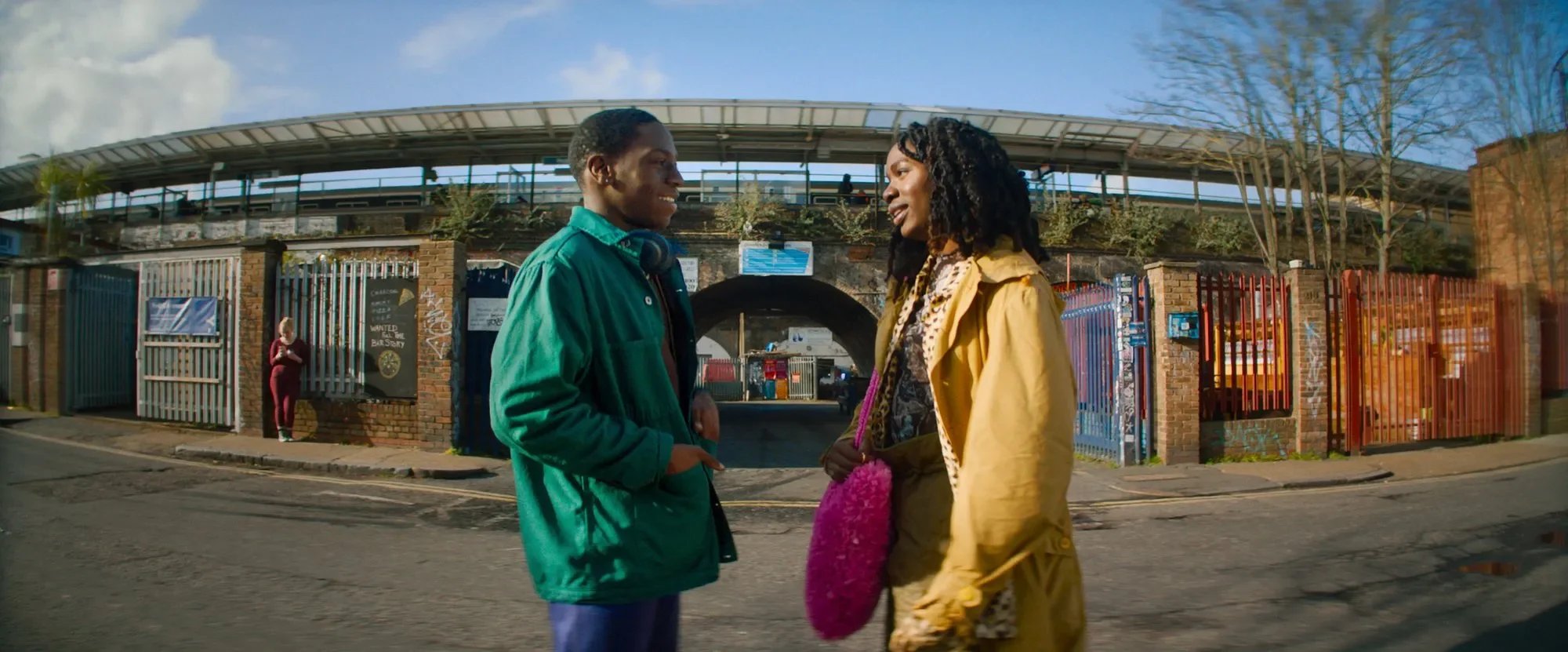
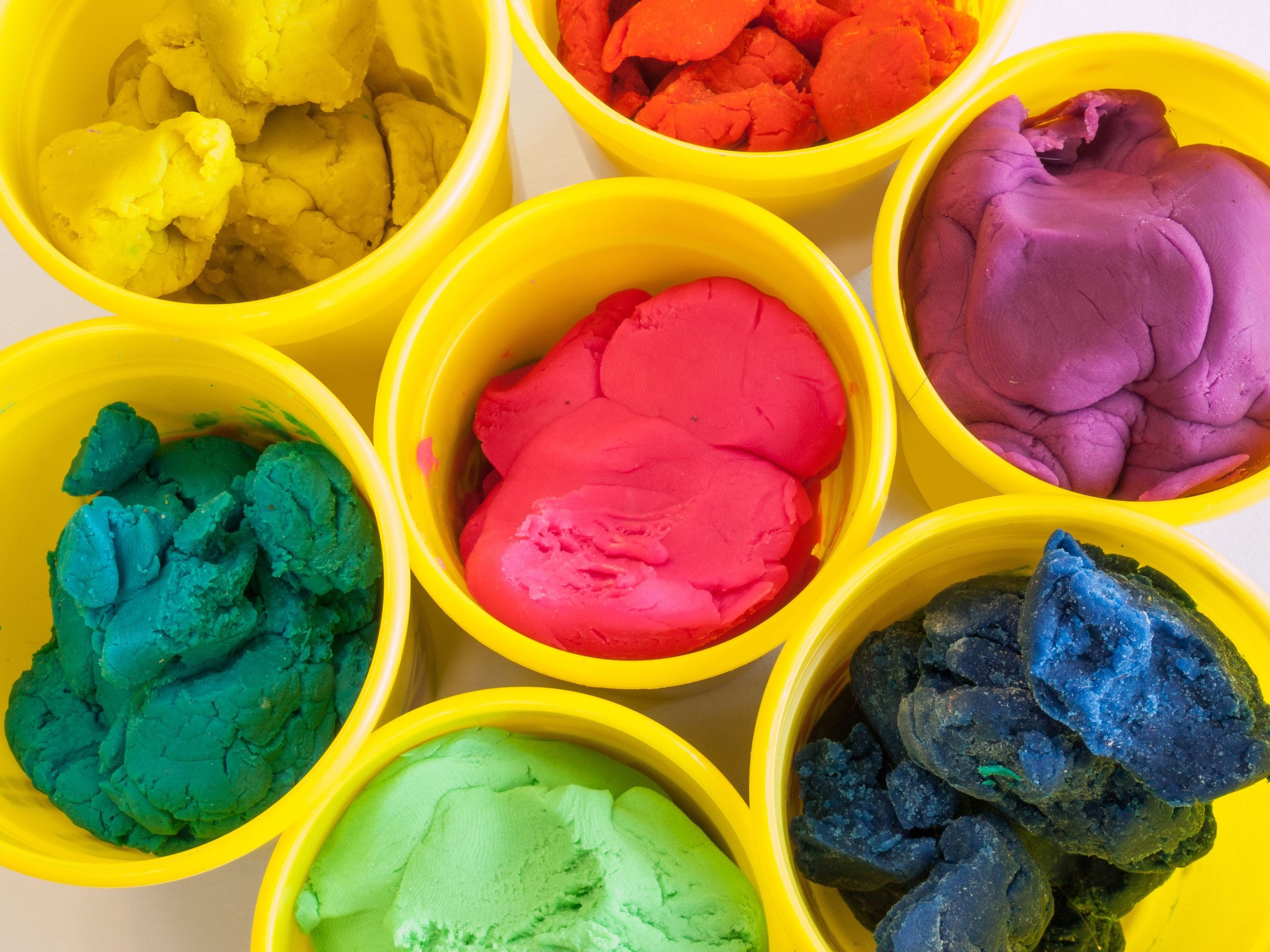
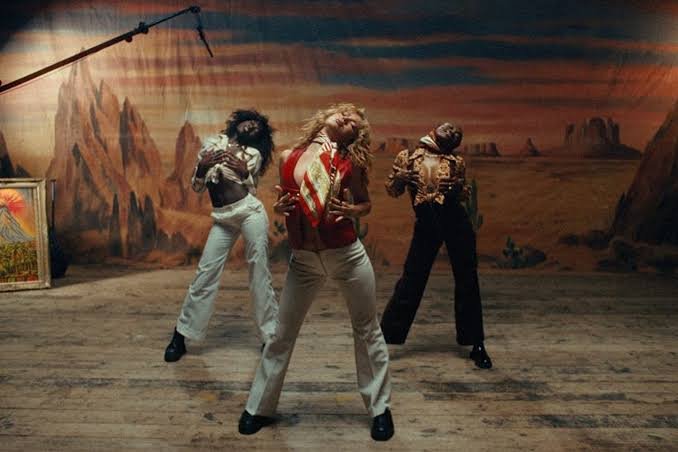
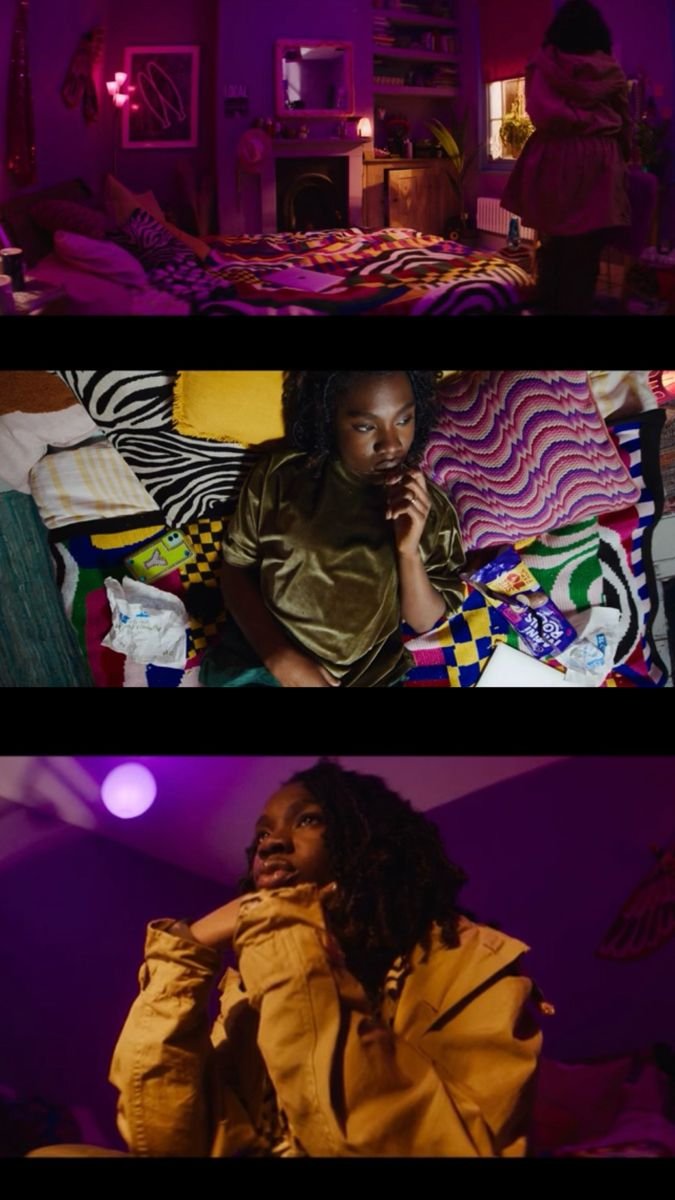
When I originally began planning for this exhibition, the film Rye Lane directed by Raine Allen Miller came to mind because of its intense visual stimulation and fun aesthetic. When rewatching the film, the word that came to mind was “play,” executed through both banter between principal actors in the film and through fun visual images across the screen. I investigated other sensations I associated with “play”--a fun song that makes you want to dance, a childhood toy that tickles your olfactory system and fingertips. As the viewer senses and perceives each of these artifacts, they feel an intense pleasure. It is through the viewer interaction that the fun or nostalgic artifacts come to life and manifest as play.
This exhibition connects psychological science with human experience by demonstrating how “fun” is perceived psychologically. Each artifact emits some pleasure within the viewer through specific visual stimuli, auditory stimuli, or flavor/texture stimuli. Through engaging with the object in the purpose of finding recreational pleasure, the viewer engages in the act of play. The experience of letting one’s self loose is maximized by stimuli that promotes this kind of pleasure, that encourages fun, and specifically changes our brain chemistry to create a sort of “altered state of consciousness” in which the viewer experiences a pure happiness.
I want my visitors to understand their role in the relationship between them and the exhibition. Each artifact is fun, but it is not without interaction that they become “play.” It is exactly our brains that interpret such things as enjoyable that creates a pleasurable experience. These objects in themselves are just that, films, songs, and fruits. However, when the viewer perceives the object, that is when it becomes a lived experience that elicits feelings of pleasure.